
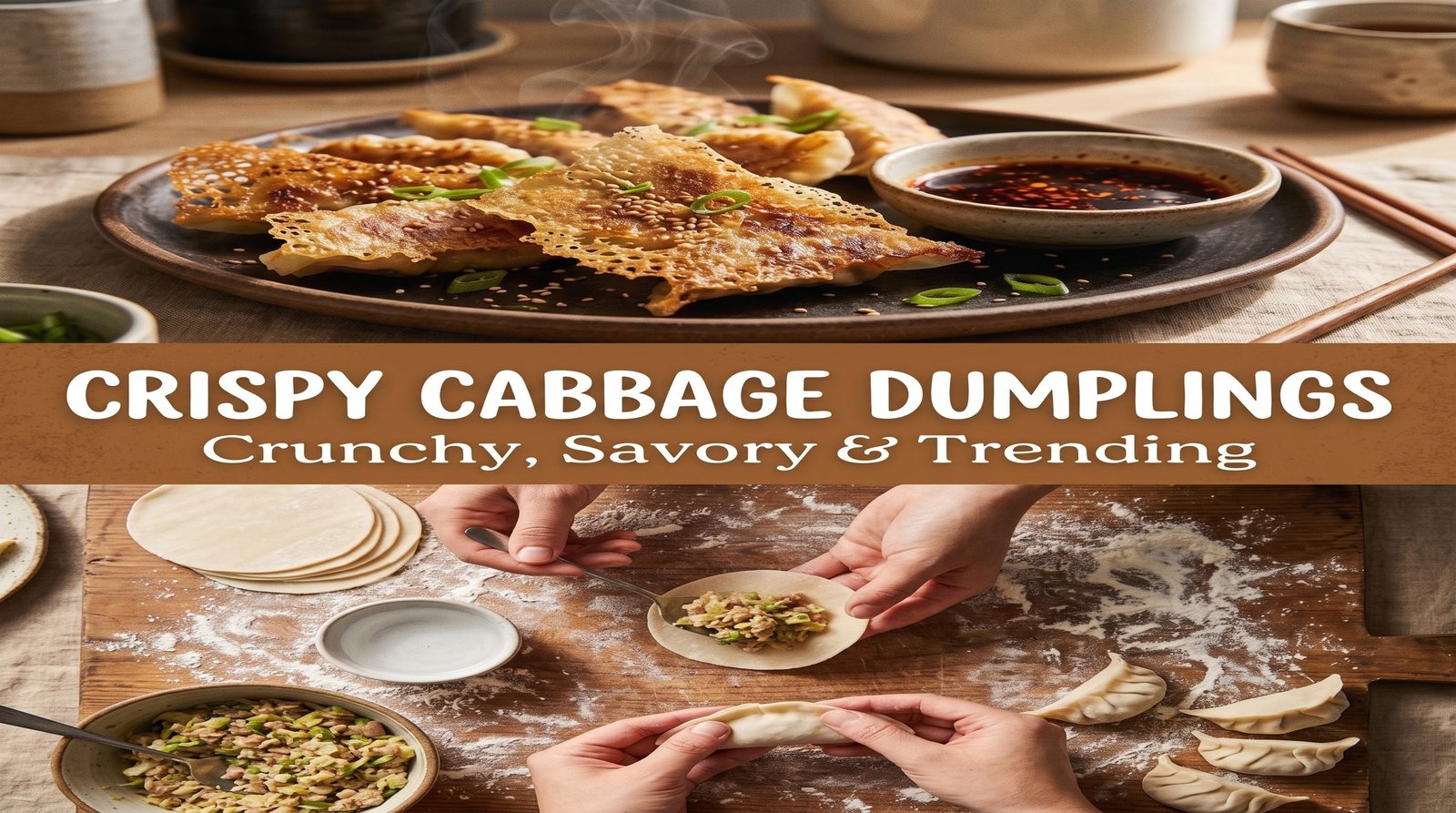
Crispy Cabbage Dumplings Recipe – Easy, Golden, and Delicious
If you love crispy, flavorful snacks that are easy to make at home, these crispy cabbage dumplings are a recipe you need to try. They have a golden, crunchy exterior and a savory vegetable filling that is soft, tender, and full of flavor. Every bite offers a delicious combination of crispy edges, fresh cabbage, garlic, and simple seasonings.
These homemade cabbage dumplings are perfect for lunch, dinner, appetizers, or an afternoon snack. They are also a wonderful way to turn everyday cabbage into something special. You do not need complicated ingredients or professional cooking skills to prepare them. With a few simple steps, you can make restaurant-style cabbage dumplings right in your own kitchen.
Serve them with soy sauce, sweet chili sauce, or a spicy garlic dipping sauce for an extra layer of flavor. Whether you are cooking for your family or preparing a dish for guests, these crispy dumplings are sure to become a favorite.
Why You Will Love These Crispy Cabbage Dumplings
There are plenty of reasons to add this easy cabbage dumplings recipe to your regular meal rotation.
- Crispy and golden: Pan-frying creates a crunchy bottom while the filling stays tender.
- Simple ingredients: Fresh cabbage, carrots, garlic, seasonings, and dumpling wrappers are all you need for the basic recipe.
- Budget-friendly: Cabbage is an affordable vegetable that can make several satisfying dumplings.
- Easy to customize: Add mushrooms, green onions, tofu, or other vegetables to change the flavor.
- Great for meal prep: Prepare the filling ahead of time and assemble the dumplings when you are ready to cook.
- Perfect for sharing: These dumplings make a delicious appetizer, party snack, or light meal.
Crispy Cabbage Dumplings Recipe at a Glance
Prep Time: 25 minutes
Cook Time: 15–20 minutes per batch
Total Time: Approximately 45 minutes
Servings: 4
Difficulty: Easy
Cooking Method: Pan-frying and steaming
Ingredients for Crispy Cabbage Dumplings
The secret to flavorful cabbage dumplings is a well-seasoned filling with the right amount of moisture. Here is everything you will need.
For the Filling
- 3 cups finely shredded green cabbage
- 1 medium carrot, grated
- 3 green onions, finely chopped
- 2 cloves garlic, minced
- 1 teaspoon freshly grated ginger
- 1 tablespoon soy sauce
- 1 teaspoon sesame oil
- 1 teaspoon neutral cooking oil, if needed
- 1 tablespoon finely chopped cilantro, optional
- ¼ teaspoon black pepper
- Salt, to taste
- 1 teaspoon cornstarch, optional, to help bind a moist filling
For the Dumplings
- 25–30 round dumpling wrappers
- 2–3 tablespoons water, for sealing
- 2 tablespoons neutral cooking oil, for pan-frying
- ⅓ cup water, for steaming in the pan
For the Dipping Sauce
- 2 tablespoons soy sauce
- 1 tablespoon rice vinegar
- 1 teaspoon chili oil or chili sauce, optional
- ½ teaspoon sesame oil
- 1 teaspoon honey or sugar, optional
- 1 teaspoon finely chopped green onion, optional
Ingredient note: Choose round dumpling wrappers from the refrigerated or frozen section of an Asian grocery store. Thaw frozen wrappers according to the package instructions before using them.
How to Make Crispy Cabbage Dumplings
Follow these detailed steps to prepare dumplings with a flavorful filling, neatly sealed wrappers, and a beautifully crisp bottom.
Step 1: Prepare the Cabbage
Start by washing the cabbage thoroughly under cool running water. Remove any damaged outer leaves and cut the cabbage into quarters. Slice out the hard central core, then shred the leaves into very thin pieces.
Place the shredded cabbage in a large bowl and sprinkle it with approximately ½ teaspoon of salt. Toss well and let it sit for 10–15 minutes.
This step helps draw excess water out of the cabbage. Too much moisture can make dumpling wrappers soggy and difficult to seal.
After resting, squeeze the cabbage firmly with clean hands or place it in a clean kitchen towel and press out as much liquid as possible. Discard the extracted liquid.
Helpful tip: Do not skip this step. Removing excess moisture is one of the most important secrets to making cabbage dumplings that hold their shape and crisp up properly.
Step 2: Prepare the Vegetable Filling
Transfer the drained cabbage to a clean mixing bowl. Add the grated carrot, chopped green onions, minced garlic, and freshly grated ginger.
Pour in the soy sauce and sesame oil. Add black pepper and chopped cilantro if you are using it. Mix everything thoroughly until the vegetables are evenly coated with the seasonings.
Taste a small amount of the filling and adjust the seasoning if necessary. Remember that soy sauce already contains salt, so add extra salt carefully.
If the mixture seems slightly wet, sprinkle in the optional cornstarch and stir again. The filling should be moist and flavorful but should not release liquid when pressed.
For an even richer filling, you can sauté the vegetables in a teaspoon of oil for 3–4 minutes, then allow them to cool completely before assembling the dumplings. This helps soften the vegetables and develop their flavor.
Step 3: Set Up Your Dumpling Wrappers
Place the dumpling wrappers on a clean, dry work surface. Keep the unused wrappers covered with a slightly damp kitchen towel so they do not dry out while you work.
Prepare a small bowl of water for sealing the edges. Keep the filling nearby and use a clean teaspoon to portion it into the wrappers.
Avoid placing wet filling directly onto the wrappers for too long. Work in small batches to prevent the wrappers from becoming sticky or tearing.
Step 4: Fill and Fold the Dumplings
Take one dumpling wrapper and place it in the palm of your hand or on the work surface.
Add approximately 1–1½ teaspoons of cabbage filling to the center. Do not overfill the wrapper, as excess filling makes sealing difficult.
Dip your fingertip into the water and lightly moisten the outer edge of the wrapper. Fold the wrapper in half over the filling to create a half-moon shape.
Press the edges together firmly, starting from the center and moving toward the sides. Push out any trapped air as you seal the dumpling.
For a simple design, leave the edges smooth and press them firmly together. If you want a traditional pleated appearance, make small folds along one side of the wrapper while pressing it against the other side.
Place each finished dumpling on a lightly floured tray, leaving a little space between them.
Repeat until all the filling has been used.
Important tip: Keep the dumplings covered while assembling the remaining batch. Dry wrappers can crack or fail to seal properly.
Step 5: Heat the Pan
Choose a large nonstick skillet or a well-seasoned frying pan with a lid. A wide pan allows the dumplings to cook in a single layer without overcrowding.
Place the pan over medium heat and add approximately 1 tablespoon of neutral cooking oil. Swirl the oil around to coat the bottom.
Wait until the oil is hot but not smoking. Carefully arrange the dumplings in the pan with their flat bottoms touching the surface.
Leave a small amount of space between each dumpling. Depending on the size of your skillet, you may need to cook them in batches.
Step 6: Pan-Fry the Dumplings Until Golden
Allow the dumplings to cook undisturbed for approximately 2–3 minutes. Their bottoms should gradually turn golden brown and begin to develop a crisp crust.
Check one dumpling carefully by lifting it slightly with a spatula. If the bottom is still pale, cook for another minute.
Once the bottoms are golden, move on to the steaming step.
Avoid moving the dumplings around too early, as they need time to develop a crust and may stick if disturbed before the bottom has browned.
Step 7: Steam the Dumplings Until Cooked Through
Carefully pour approximately ⅓ cup of water into the skillet, taking care to avoid splashing hot oil. Immediately cover the pan with a lid.
Reduce the heat slightly and allow the dumplings to steam for about 5–7 minutes, depending on the wrapper thickness and size.
During steaming, the wrappers soften and cook through while the filling becomes tender. Check that the water has not evaporated too quickly. If the wrappers are still firm and the pan is dry, add a small splash of water and continue cooking briefly.
Once the wrappers are cooked, remove the lid carefully, directing the steam away from your face and hands.
Step 8: Make the Bottoms Extra Crispy
After removing the lid, allow any remaining water to evaporate completely. Let the dumplings cook for another 1–2 minutes so their bottoms can crisp up again.
If the pan looks dry and the dumplings need additional browning, add a little more oil around the edges.
Use a thin spatula to lift the dumplings gently. The bottoms should be golden brown and crisp, while the wrappers should be tender and fully cooked.
Transfer the finished dumplings to a serving plate with their crispy sides facing upward.
Repeat the process with the remaining dumplings, adding more oil as necessary.
Step 9: Prepare the Dipping Sauce
While the dumplings cook, combine soy sauce, rice vinegar, sesame oil, and honey or sugar in a small bowl.
Add chili oil or chili sauce if you prefer a spicy dipping sauce. Stir well until the ingredients are combined.
Finish with finely chopped green onions for extra freshness.
Taste the sauce and adjust the balance. Add more vinegar for tanginess, a little honey for sweetness, or extra chili for heat.
Step 10: Serve and Enjoy
Arrange the hot cabbage dumplings on a serving platter and sprinkle them with chopped green onions or sesame seeds if desired.
Serve immediately with the prepared dipping sauce. These dumplings taste best when freshly cooked because their bottoms are at their crispiest.
For a complete meal, pair them with vegetable fried rice, a light cucumber salad, or a bowl of warm soup.
Tips for the Crispiest Cabbage Dumplings
A few small adjustments can make a noticeable difference in the final texture.
Remove excess cabbage moisture. Salting and squeezing the cabbage helps prevent watery filling and soggy wrappers.
Avoid overfilling. A small amount of filling makes the dumplings easier to seal and helps them cook evenly.
Seal the edges firmly. Use just enough water to seal the wrappers. Too much water can make them slippery and difficult to close.
Use medium heat. Excessively high heat can burn the bottoms before the wrappers cook through.
Do not skip the final crisping step. Removing the lid and letting the remaining moisture evaporate helps restore the golden crust.
Cook in batches. Overcrowding the pan traps moisture and makes it harder to brown the dumplings evenly.
Easy Variations to Try
One of the best things about homemade cabbage dumplings is how easy they are to customize.
Mushroom and Cabbage Dumplings
Finely chop mushrooms and sauté them until their moisture evaporates. Let them cool, then mix them with the cabbage filling. Mushrooms add a deep, savory flavor and a satisfying texture.
Spicy Garlic Cabbage Dumplings
Add chili flakes, a little chili oil, and extra minced garlic to the filling. Serve with a spicy soy-vinegar dipping sauce for a bolder flavor.
Tofu and Cabbage Dumplings
Crumble firm tofu and press out its excess moisture. Mix it with the cabbage, carrot, garlic, and seasonings for a more substantial plant-based filling.
Cabbage and Carrot Dumplings
Increase the amount of grated carrot for a naturally sweet, colorful filling. This version is a simple option when you want to use everyday vegetables.
What to Serve with Crispy Cabbage Dumplings
These dumplings pair well with many dishes, making them suitable for snacks, lunch, or dinner.
- Soy sauce and rice vinegar dipping sauce
- Sweet chili sauce
- Cucumber and sesame salad
- Vegetable fried rice
- Garlic noodles
- Miso soup or another light vegetable soup
- Steamed vegetables with sesame dressing
For a balanced meal, combine the dumplings with a vegetable side and a source of protein, such as tofu or edamame.
How to Store and Reheat Cabbage Dumplings
Refrigeration: Let leftover dumplings cool, then place them in an airtight container and refrigerate within two hours of cooking. Use within 3–4 days.
Reheating in a skillet: Add a little oil to a pan over medium heat. Arrange the dumplings in a single layer and cook for a few minutes until the bottoms become crisp and the centers are hot.
Air fryer: Arrange the dumplings in a single layer, lightly brush or spray them with oil, and reheat at approximately 350°F (175°C) until hot and crisp. Check frequently because cooking times vary by appliance.
Freezing uncooked dumplings: Place freshly assembled dumplings on a parchment-lined tray without touching each other. Freeze until solid, then transfer them to a freezer-safe bag or container. Cook from frozen, adding extra steaming time and checking that the wrappers and filling are fully cooked.
Avoid leaving cooked dumplings at room temperature for extended periods, and do not repeatedly reheat the same portion.
Frequently Asked Questions
Can I make cabbage dumplings without a dumpling wrapper?
Traditional dumplings require a wrapper to hold the filling. If you cannot find dumpling wrappers, you can use suitable thin wonton wrappers, provided they are large enough to seal securely. Another option is to make cabbage patties, although their texture will be different from traditional dumplings.
How do I stop cabbage dumplings from becoming soggy?
The most important step is to remove excess water from the cabbage before mixing the filling. Avoid overfilling the wrappers, and allow the steaming liquid to evaporate fully before the final crisping stage.
Can I bake cabbage dumplings instead of pan-frying them?
Yes. Arrange the assembled dumplings on a lightly oiled baking tray, brush them with oil, and bake at approximately 400°F (200°C) until the wrappers are cooked and the outside is golden. Turn them as needed. The result will differ from the classic pan-fried and steamed version, and the wrappers may be less tender.
Are cabbage dumplings vegetarian?
This recipe is vegetarian when prepared with vegetable-based wrappers and a vegetarian dipping sauce. Check the wrapper ingredients and use a suitable soy sauce or vegetarian alternative if needed.
Can I prepare the filling ahead of time?
Yes. Prepare the filling in advance and store it in an airtight container in the refrigerator for up to 24 hours. Drain away any liquid that collects before assembling the dumplings.
Why are my dumplings opening during cooking?
This usually happens when the wrappers are overfilled, the edges are not sealed firmly, or the filling is too wet. Use less filling, press the edges together carefully, and avoid handling the dumplings roughly when transferring them to the pan.
Final Thoughts
These crispy cabbage dumplings are proof that simple vegetables can become something truly delicious. With tender cabbage filling, aromatic garlic and ginger, and golden pan-fried bottoms, they offer a satisfying combination of flavors and textures.
The recipe is easy to adapt, affordable to prepare, and suitable for everything from a quick snack to a homemade dinner. Once you master the simple filling, folding, and pan-frying techniques, you can experiment with mushrooms, tofu, carrots, and spicy dipping sauces to create your own favorite version.
Serve them hot with your favorite sauce, and enjoy a homemade cabbage dumpling recipe that is both comforting and full of flavor.
Recipe takeaway: For the best results, squeeze the cabbage dry, seal each wrapper carefully, steam the dumplings until cooked through, and finish uncovered to achieve beautifully crispy bottoms.